Our Approach to Learning
A School That Meets Students Where They Are
DePaul School provides a full academic program for students in grades 2–8 whose primary learning barrier is dyslexia. Our approach combines specialized instruction, small classes, multisensory learning, and ongoing assessment to help students build the skills they need to succeed.
Students are not expected to fit into a one-size-fits-all curriculum. Reading, language, and math instruction are grouped according to each student’s current performance level, allowing teachers to meet students where they are and help them move forward as they master new skills.
- Jacksonville, FL
- Grades 2-8
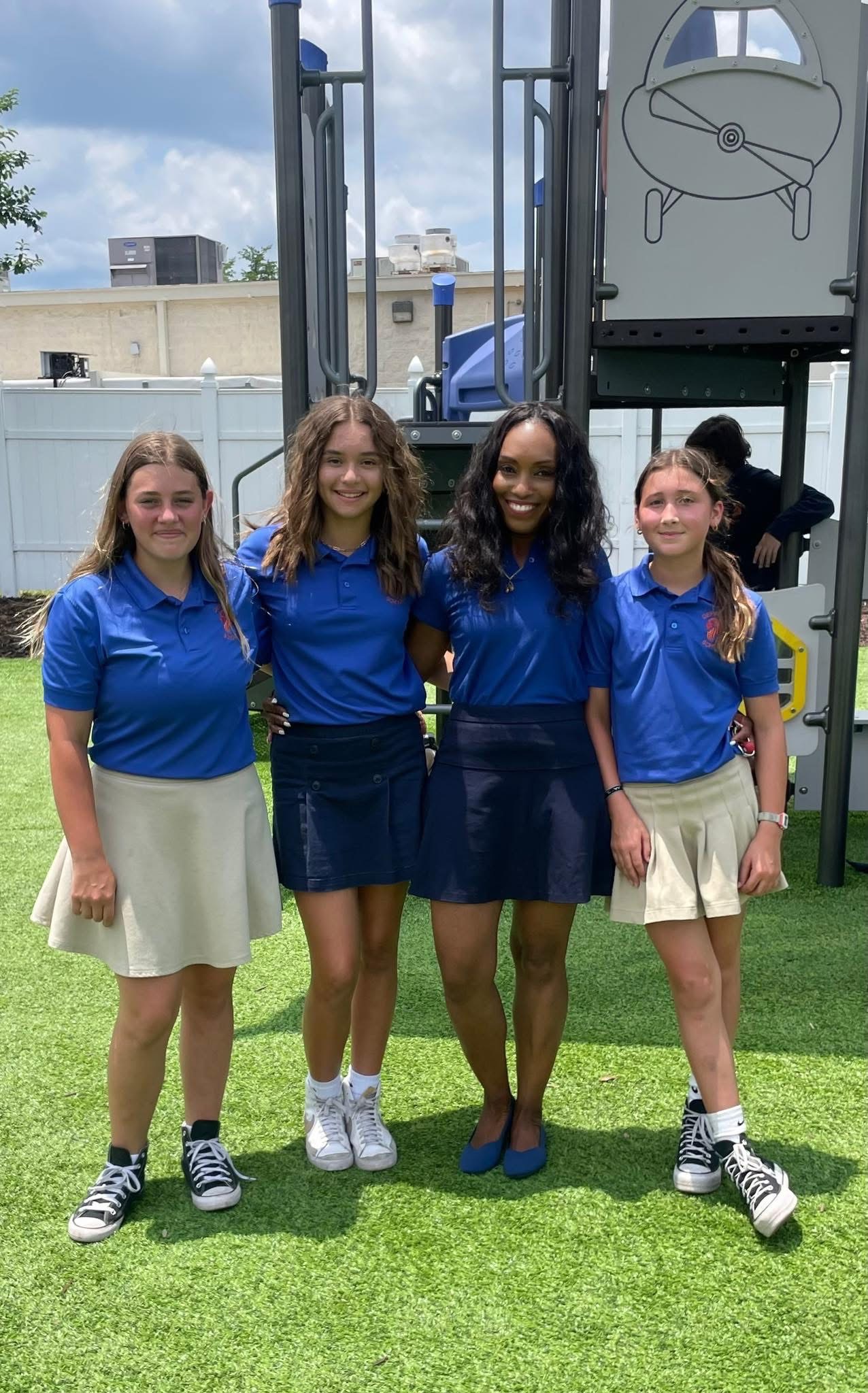
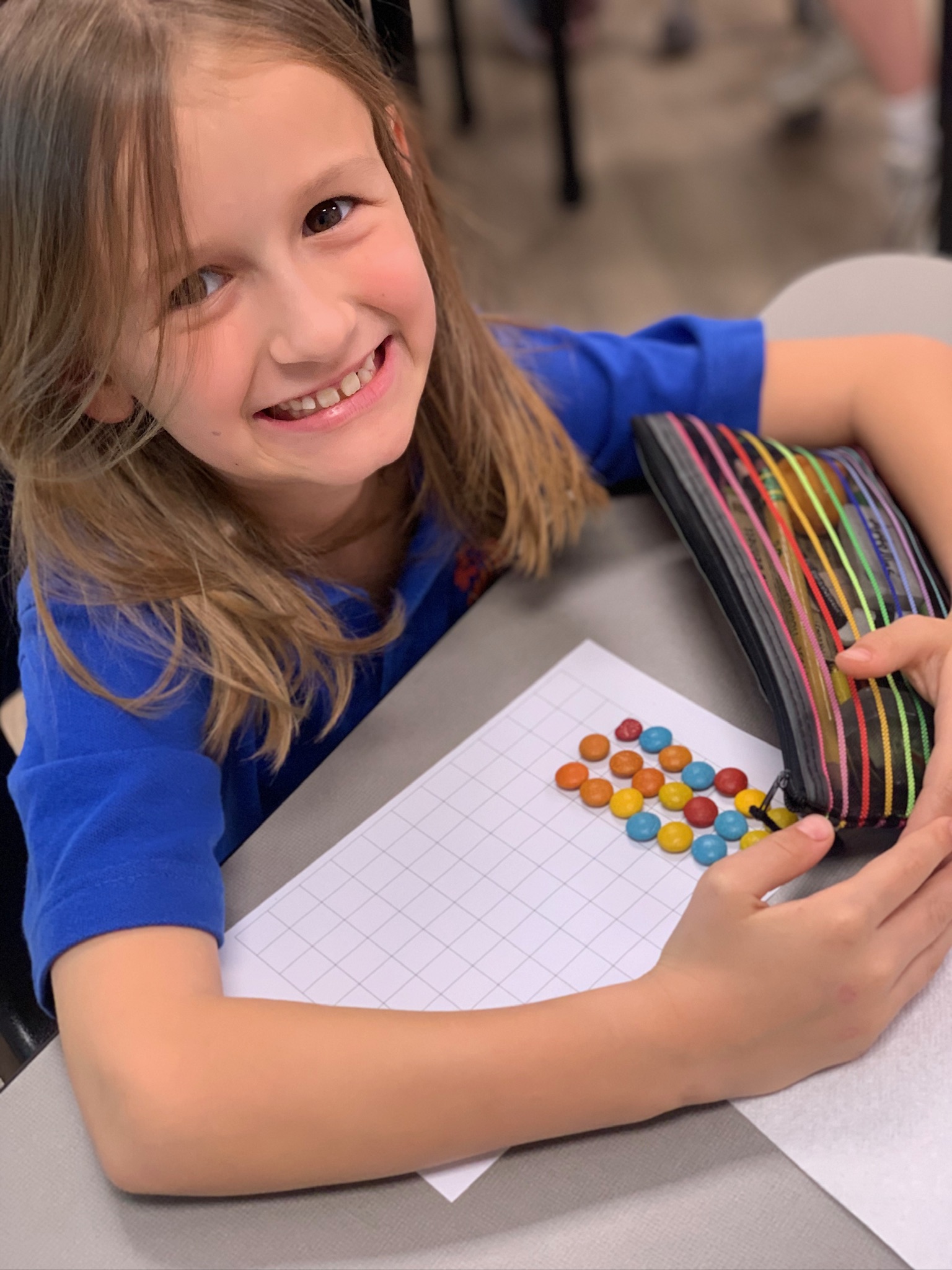
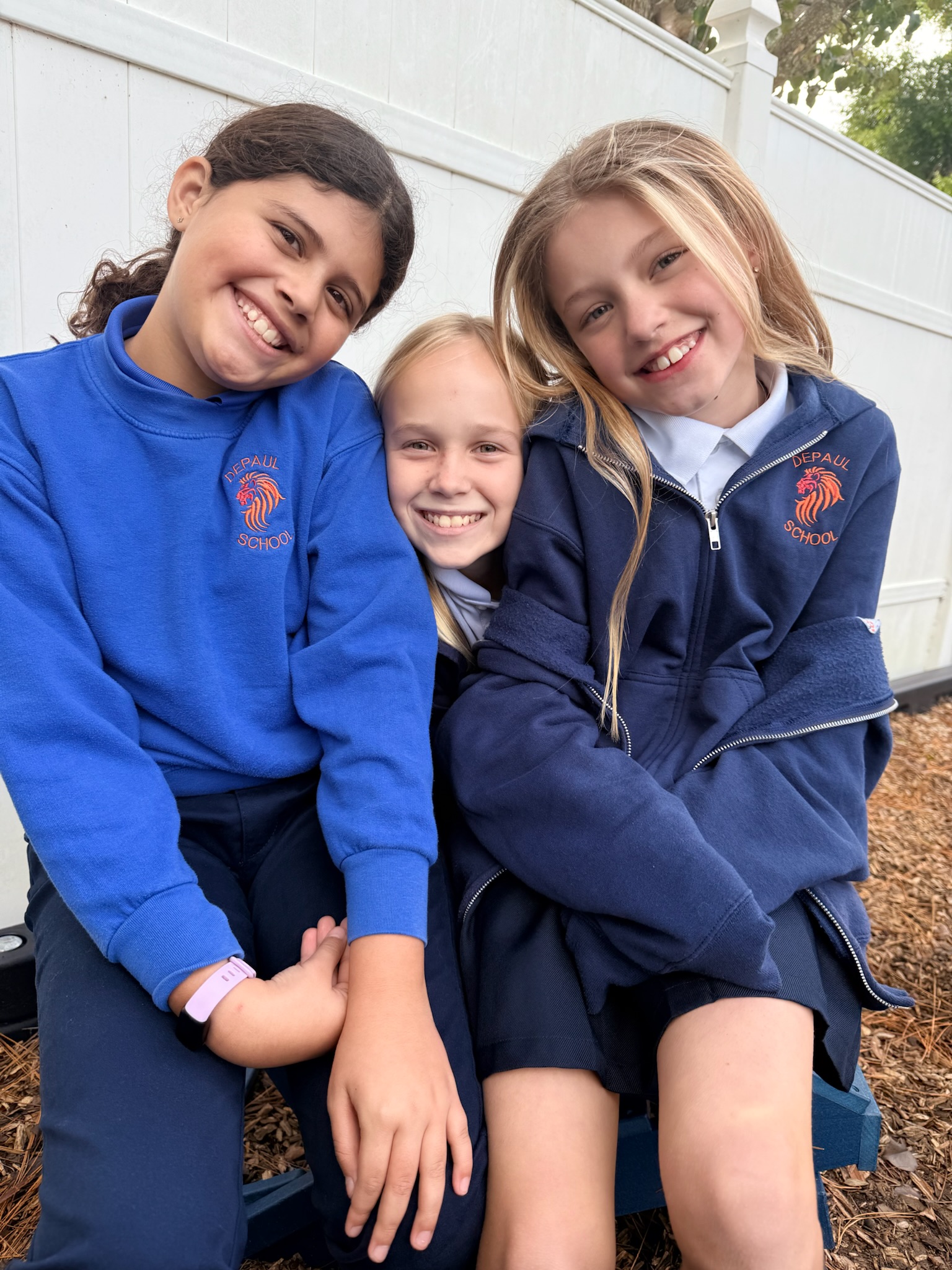
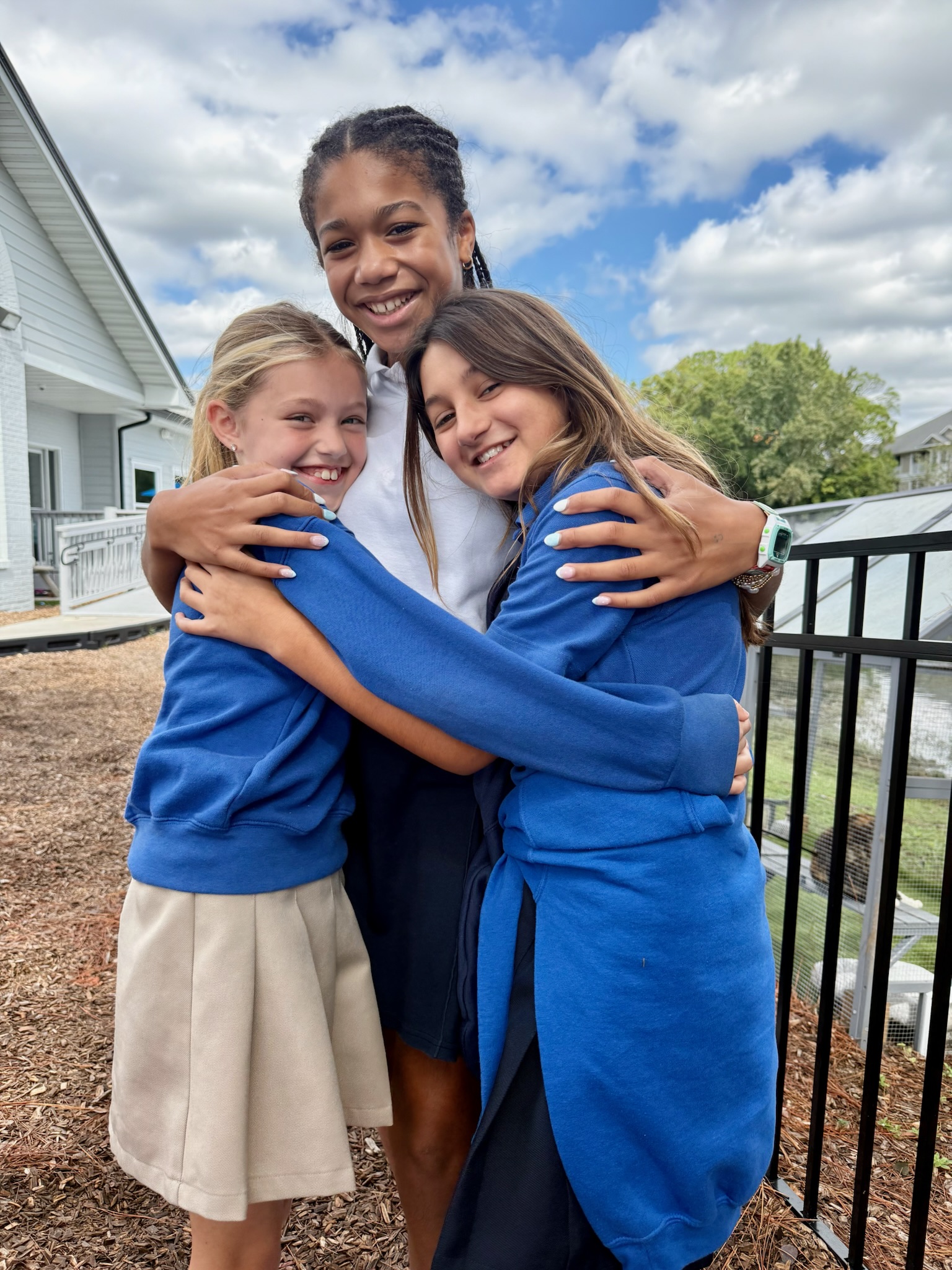
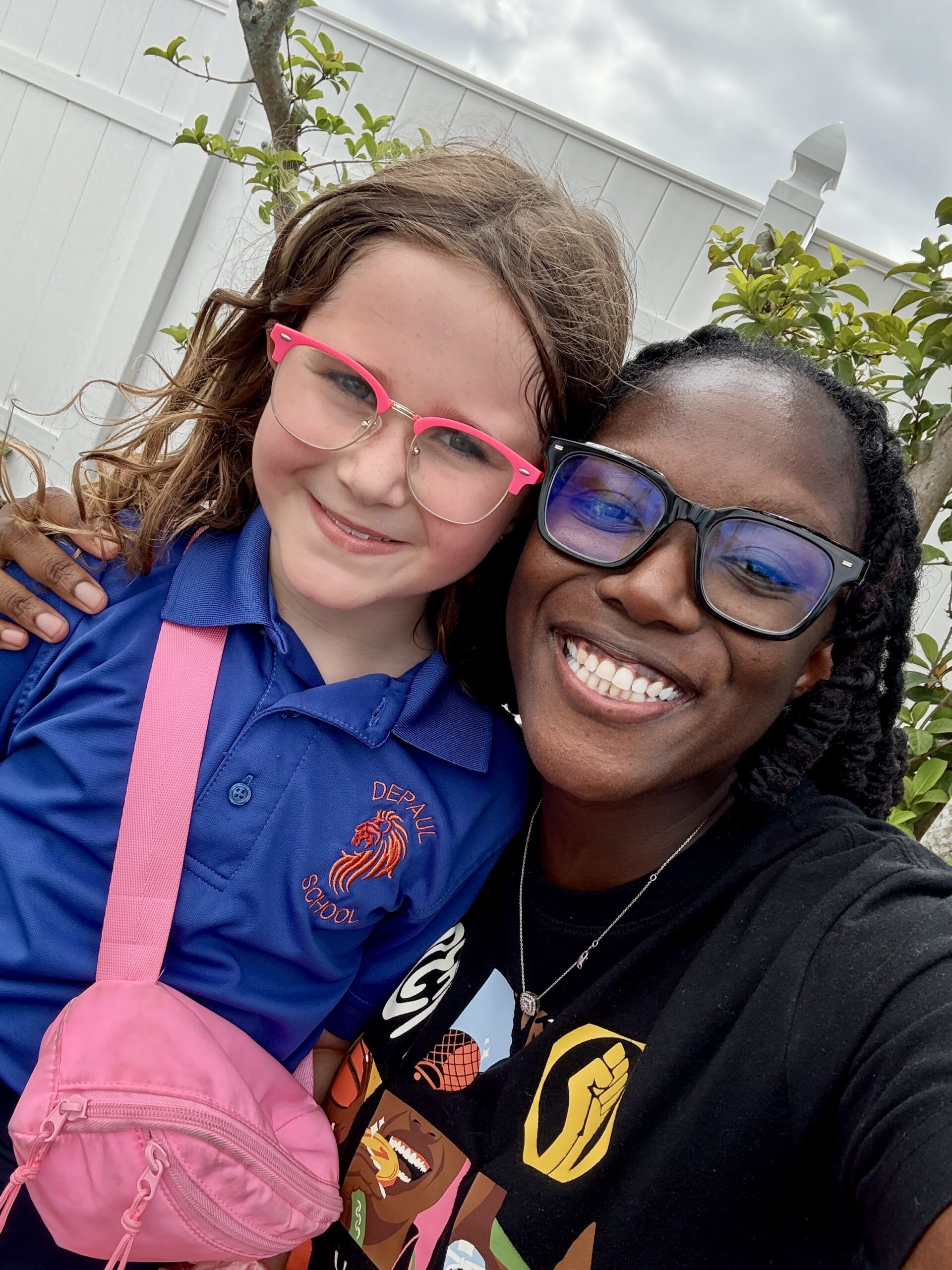
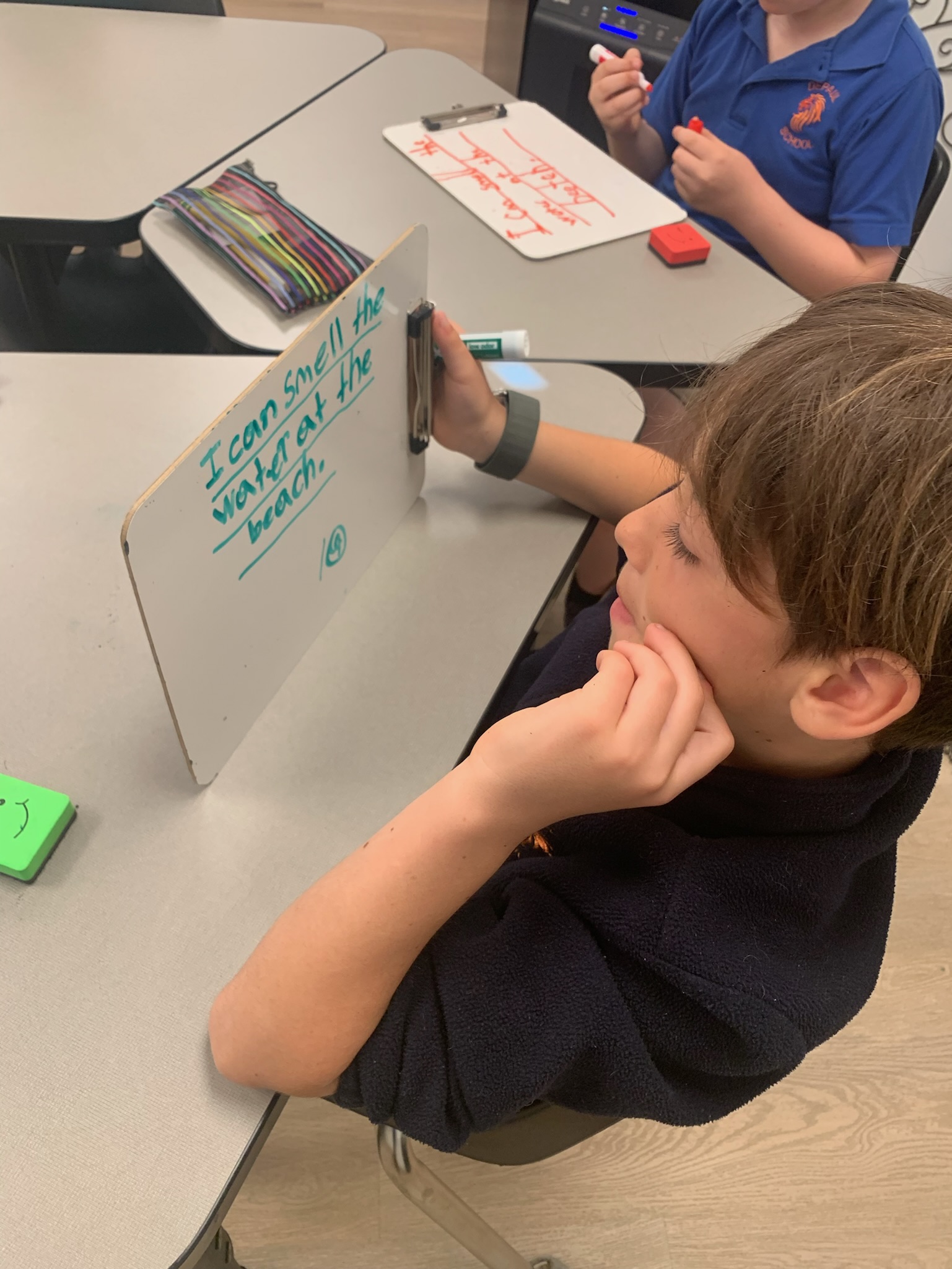
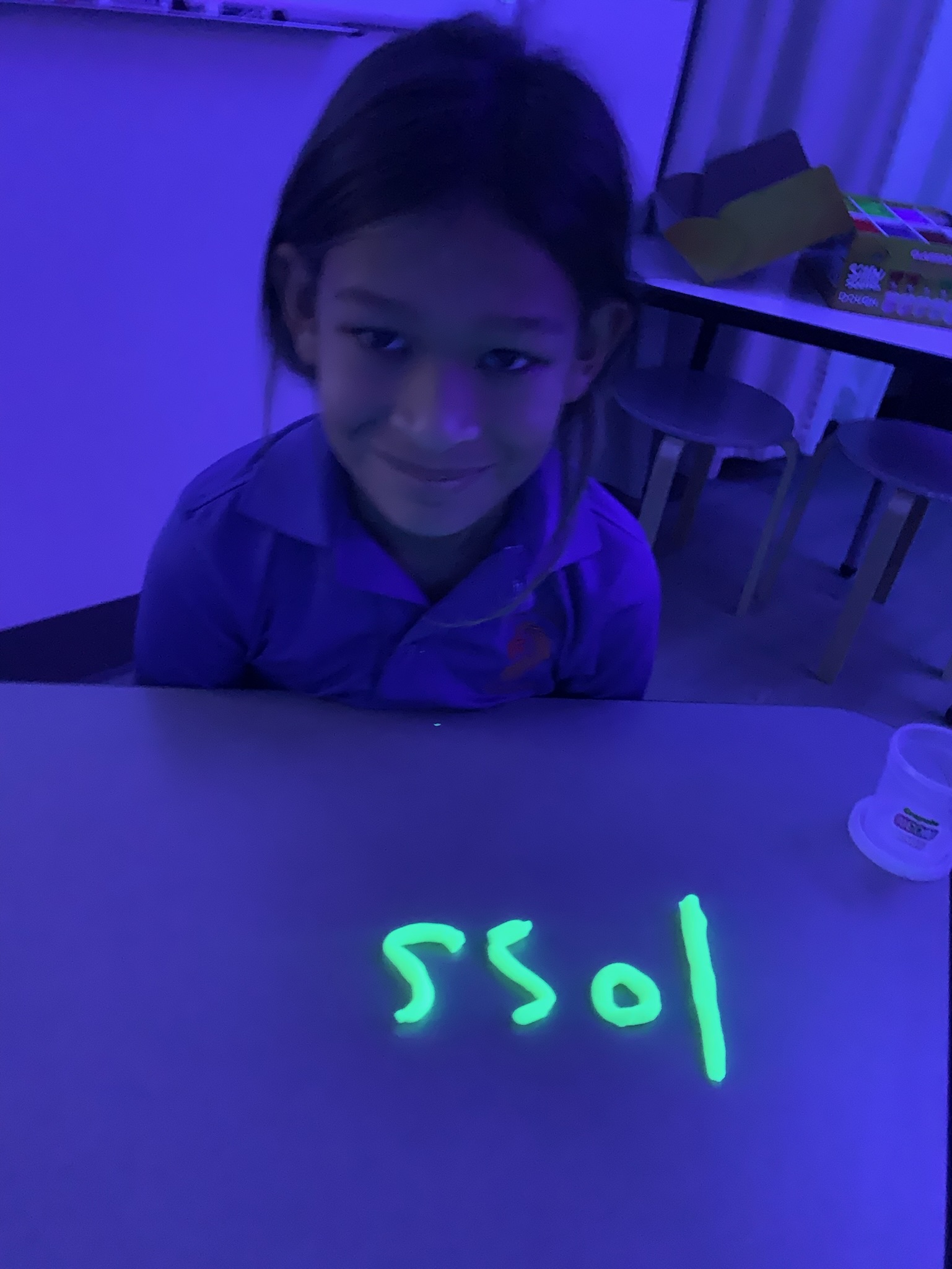
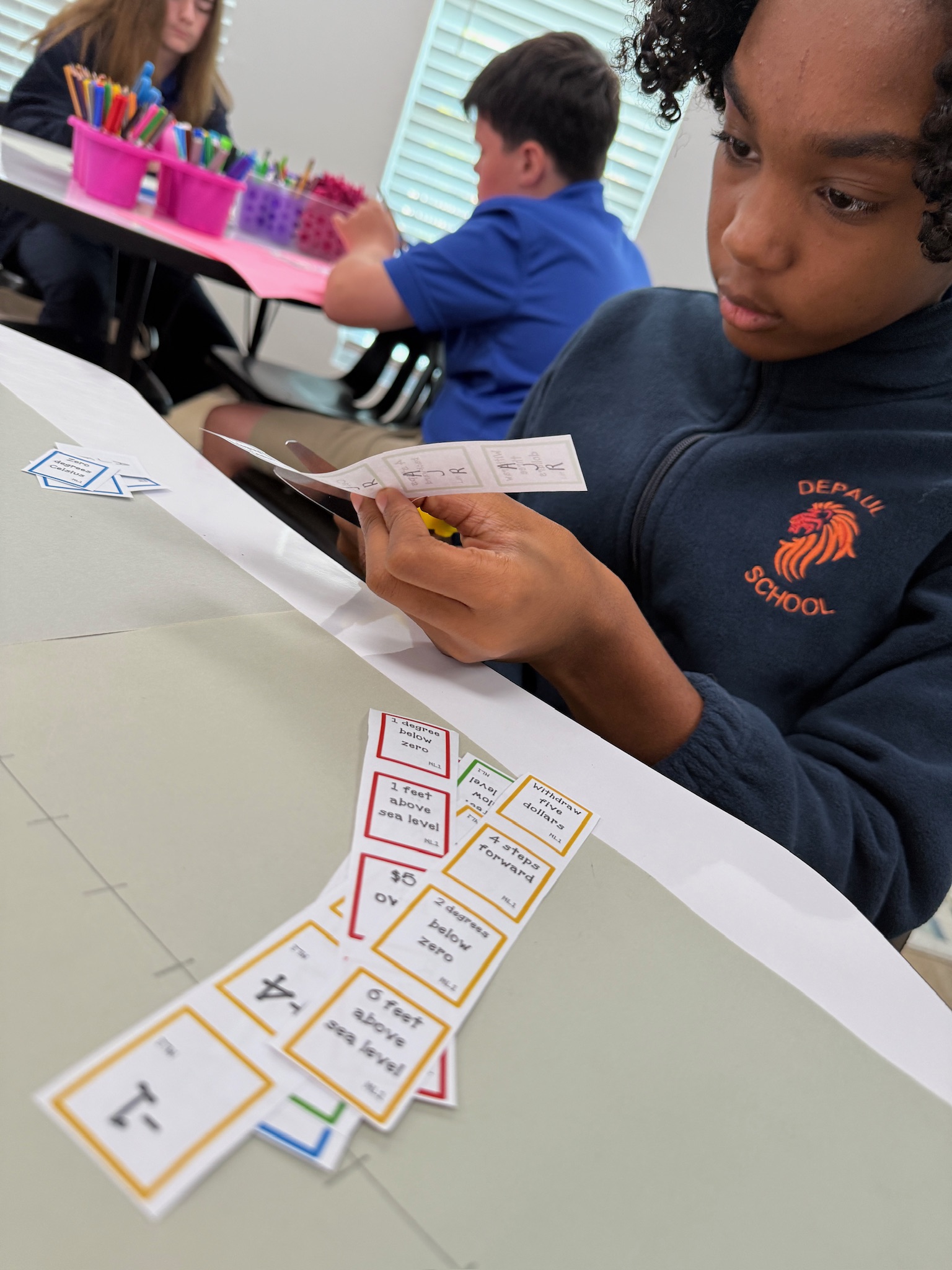
Teaching the Way They Learn Best
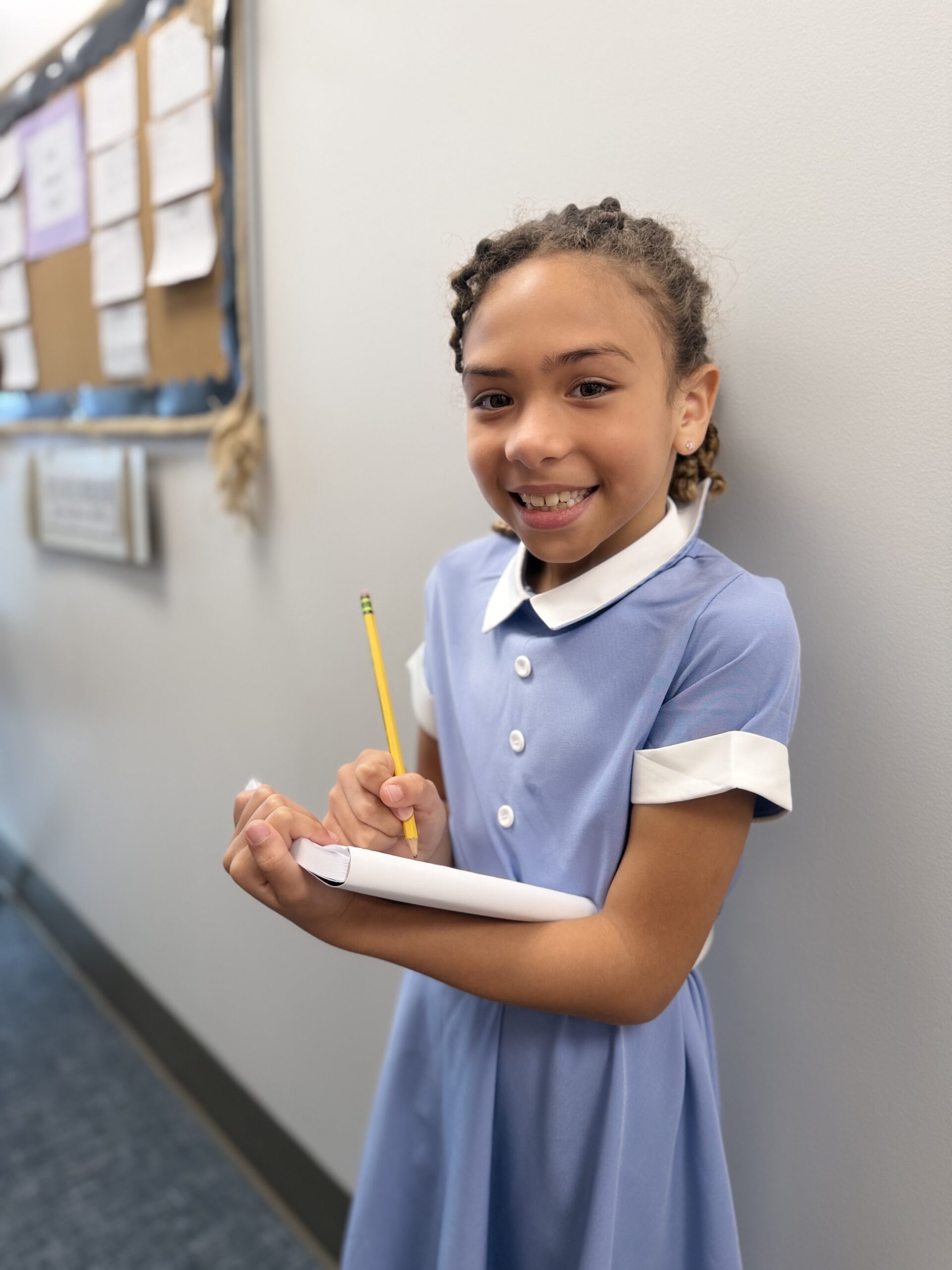
Dyslexia can make reading, spelling, writing, and processing written information harder, even when a student is capable and working hard. DePaul’s proven approach addresses these challenges directly.
- Students receive customized instruction for the skills that are holding them back academically.
- Teachers break complex reading and language skills into smaller, manageable steps.
- Students get more time to practice skills instead of being expected to learn them after one lesson.
- Instruction focuses on building strong foundations while helping students recognize their strengths.
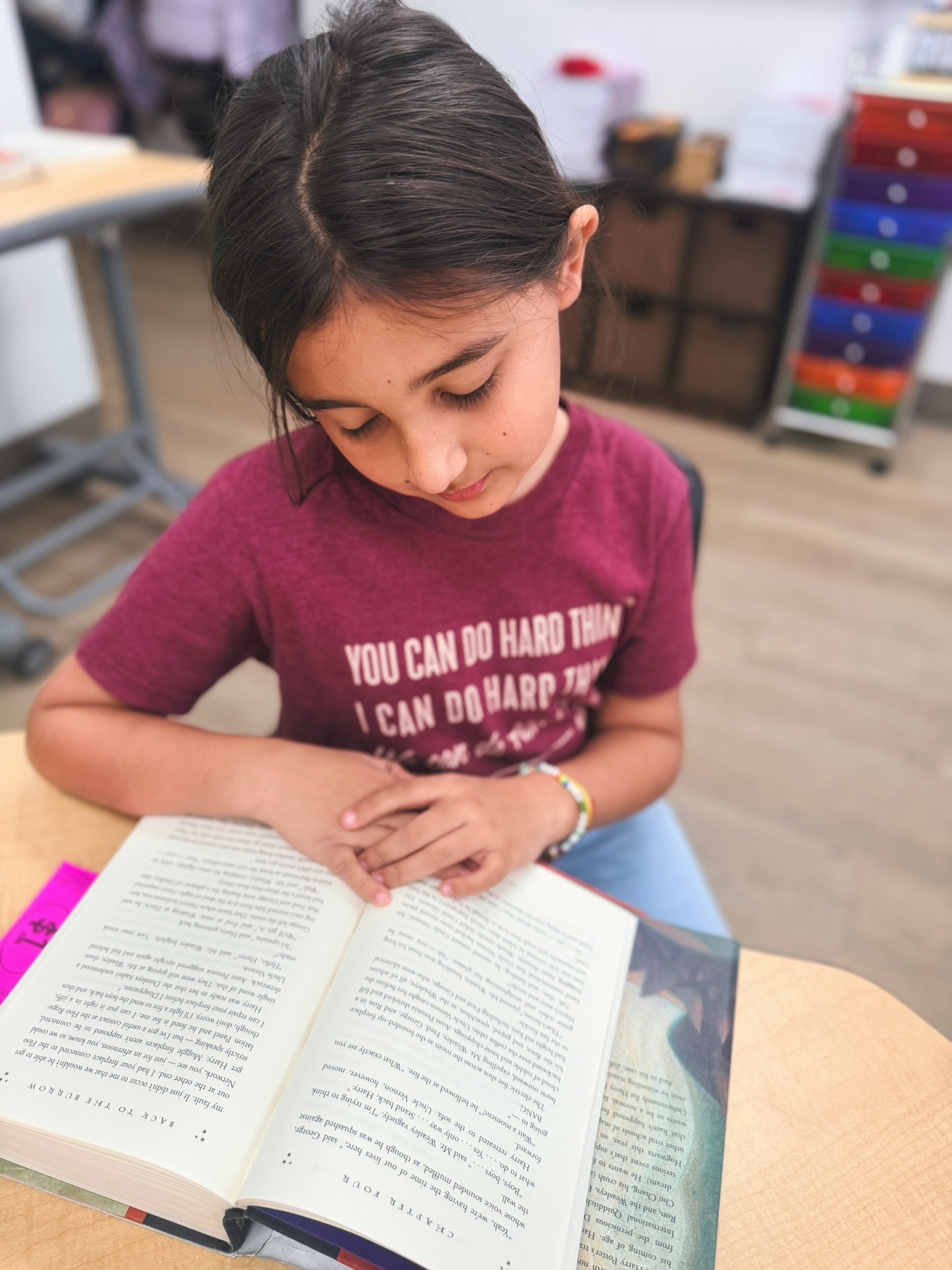
Orton-Gillingham is widely recognized as the gold standard for teaching students with dyslexia in the way they learn best. This proven approach gives students clear, direct, multisensory instruction that helps them understand how reading and language work.
- Teachers break reading and language skills into clear, manageable steps.
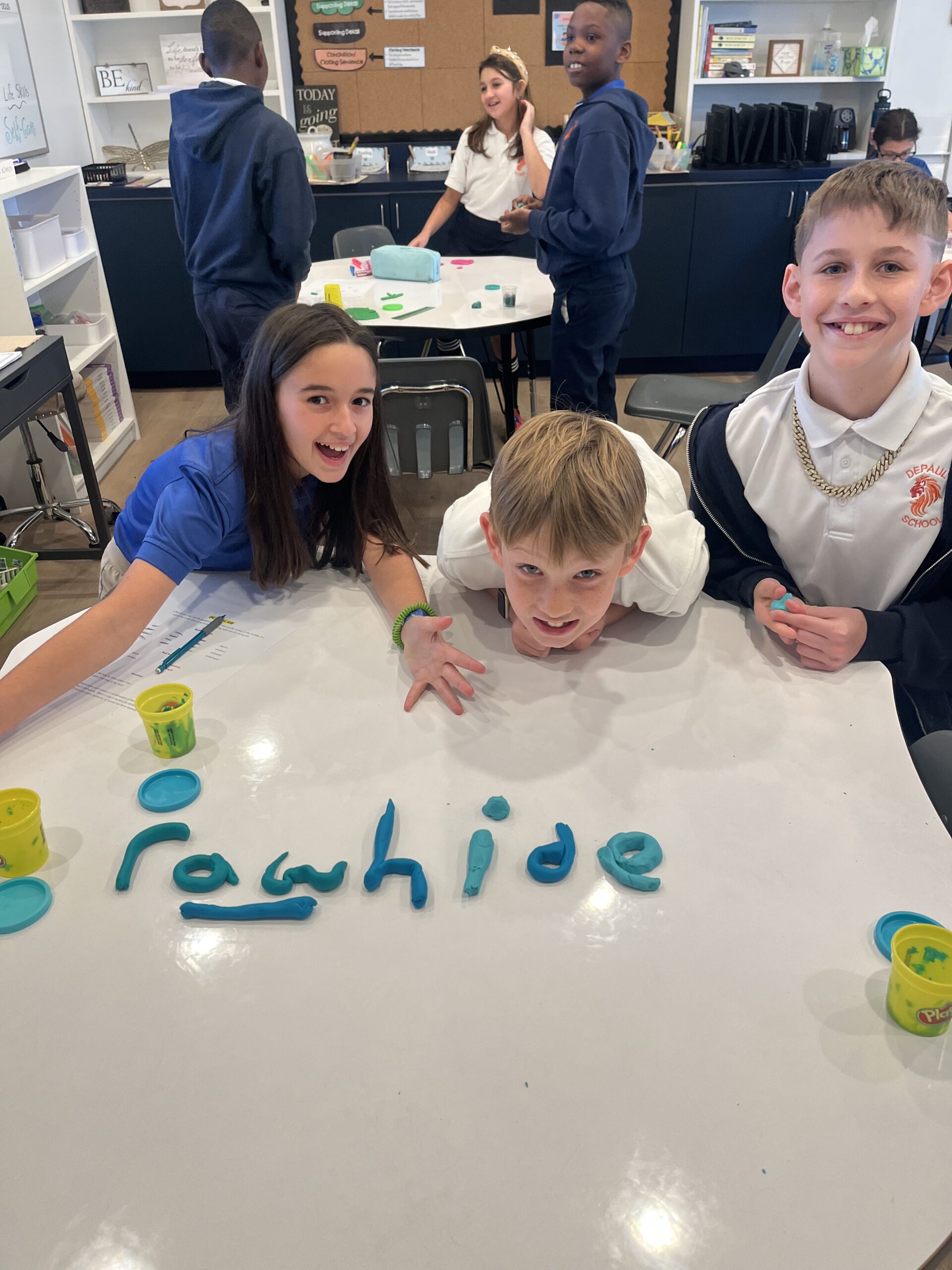
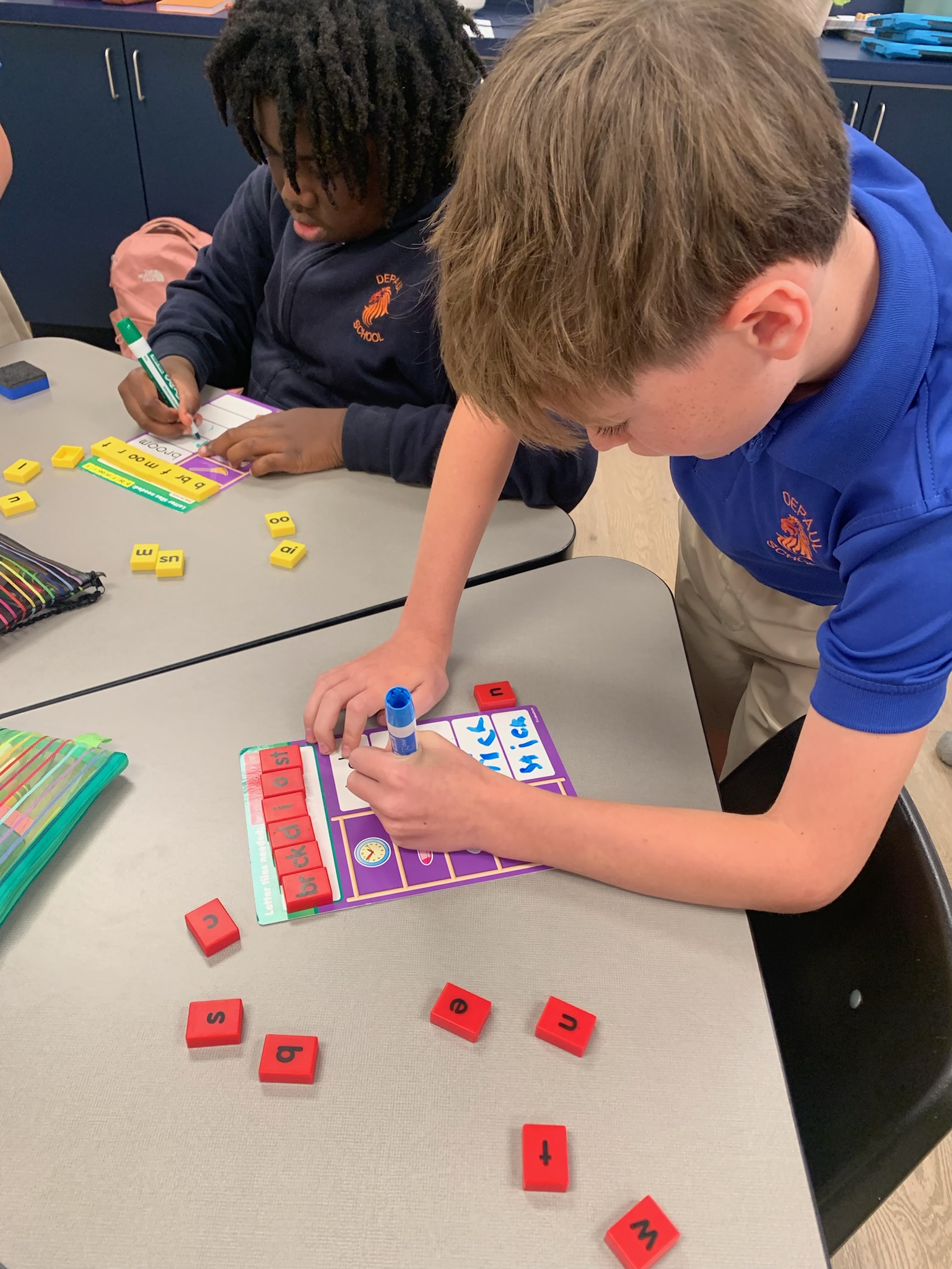
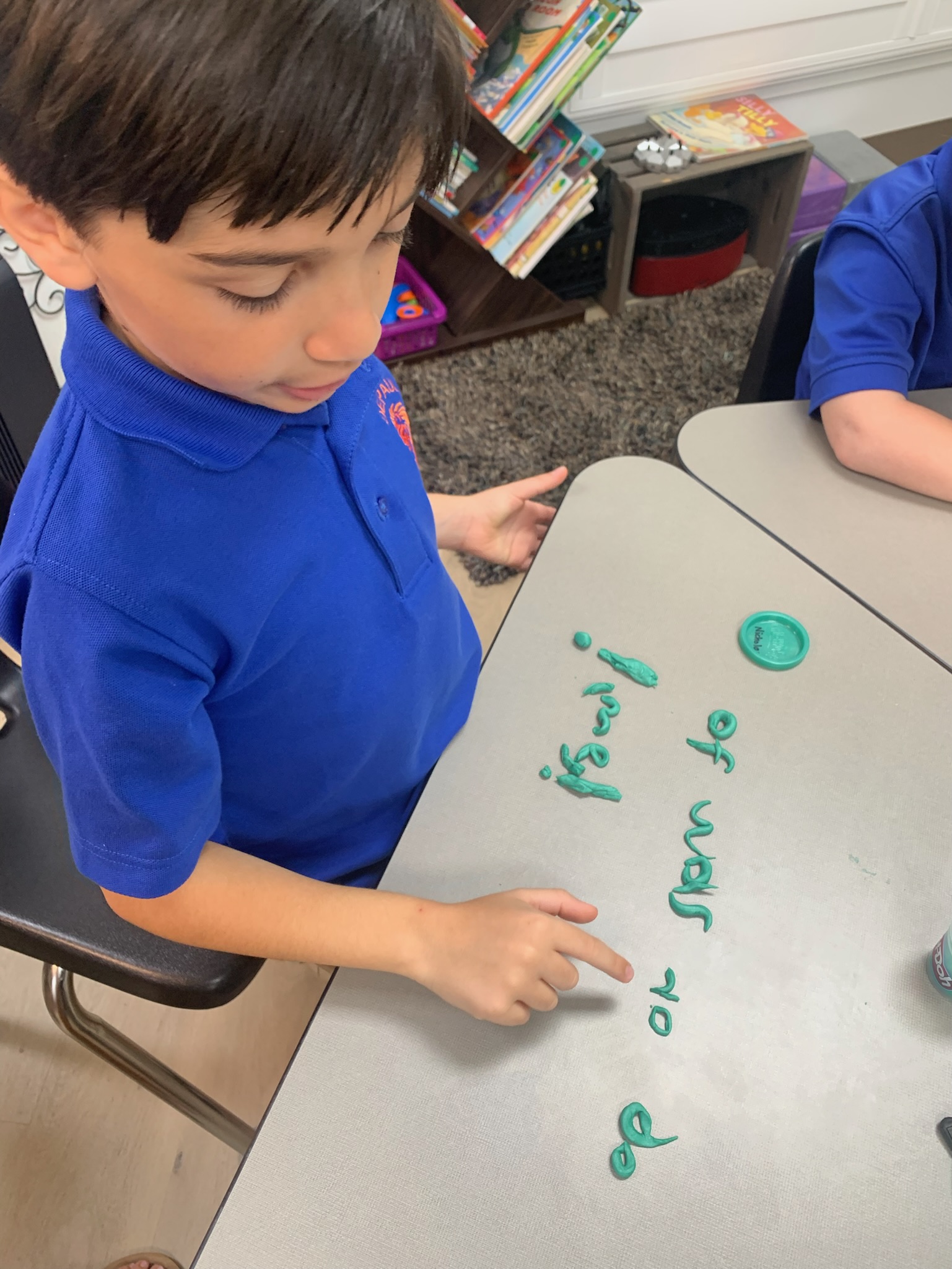
- Multisensory techniques (engaging, immersive activities and cutting-edge classroom projects)
- Skills are taught in a logical sequence and practiced until students understand them.
- DePaul’s supportive, dedicated teachers are trained in the Orton-Gillingham approach.
In a large classroom, a student who needs more explanation or practice may have difficulty getting the individual attention they need. DePaul keeps classes small so teachers can respond to students as they learn.
- Teachers can notice when a student is confused and provide help right away.
- Students have more opportunities to ask questions and receive feedback.
- Teachers can adjust the pace of a lesson when students need more time.
- Students receive more guided practice before working independently.
Students with dyslexia do not all struggle in the same areas. One student may need significant reading support while another may need more help with writing, spelling, or math. DePaul adjusts instruction to address those differences.
- Teachers regularly monitor student progress and understanding.
- Students receive additional explanation, practice, or support when needed.
- Instruction builds on individual strengths while addressing areas of difficulty.
- Families receive regular information about their child’s academic progress.
Being in the same grade does not mean students have the same academic skills. A student may be on grade level in one subject and several years behind in another. DePaul groups students according to their current academic skills in reading, language, and math.
- Students are grouped by skill level rather than simply by age or grade.
- A student can receive more advanced instruction in one subject and additional support in another.
- Groups can change as students develop new skills.
- Students are not expected to move ahead before they are ready.
Many students who come to DePaul have experienced frustration or repeated struggles in school. DePaul gives students opportunities to experience success, understand their strengths, and see their own progress.
- Students work at levels where they can be challenged without being overwhelmed.
- Teachers recognize effort and progress, not just correct answers.
- Students are encouraged to ask questions, try new strategies, and keep working when something is difficult.
- As students build skills, they can begin to approach school with greater confidence and independence.
Core Academic Areas
DePaul supports student growth across core academic subjects while using teaching strategies that are accessible to students with dyslexia.
Reading and Language
Students get clear, multisensory instruction to build stronger reading, spelling, vocabulary, understanding, grammar, and writing skills.
Mathematics
Math instruction focuses on clear explanations, guided practice, problem-solving, and the development of strong foundational skills.
Science and Social Studies
Students explore grade-appropriate concepts through accessible instruction, discussion, visual resources, and hands-on learning opportunities.
More Than a Traditional Classroom
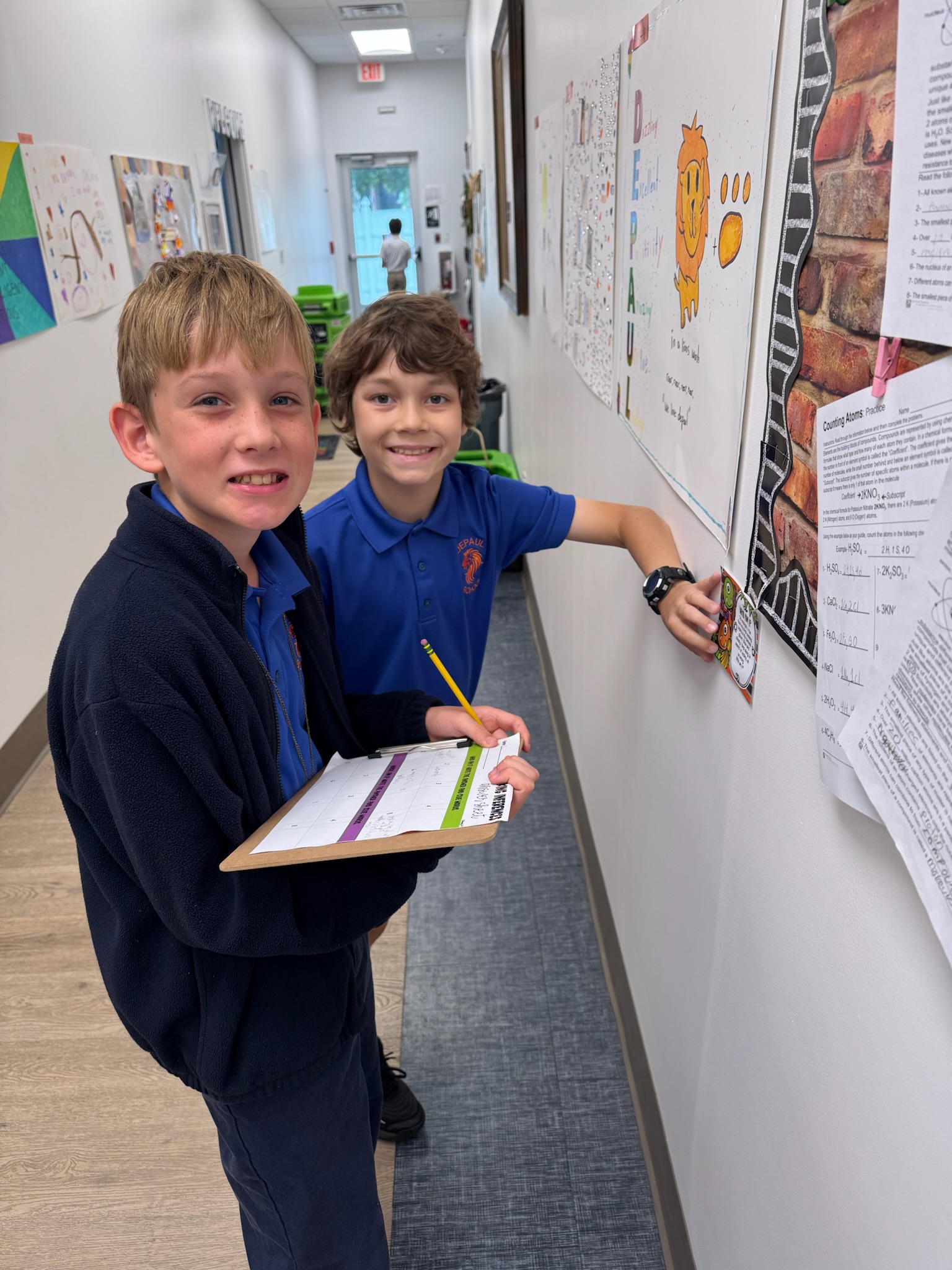
Learning at DePaul is not limited to worksheets and textbooks. Teachers use creative, immersive lessons and hands-on activities to help students understand and apply what they are learning.
Students also have opportunities to explore interests through electives that vary from year to year, including activities such as art, dance, drama, gardening, music, physical education, graphic design, and LEGO building.
Supporting the Whole Student
Academic growth matters, but so does how students feel about themselves as learners.
DePaul provides an environment where students can experience success, understand their strengths, and develop the confidence to keep trying when something is difficult. Teachers encourage students to become increasingly independent and to recognize the strategies that help them learn.
- Jacksonville, FL
- Grades 2-8
See DePaul in Action
The best way to understand the DePaul academic experience is to visit the campus, meet the team, and learn how instruction is adapted for students with dyslexia.
Common Academics Questions
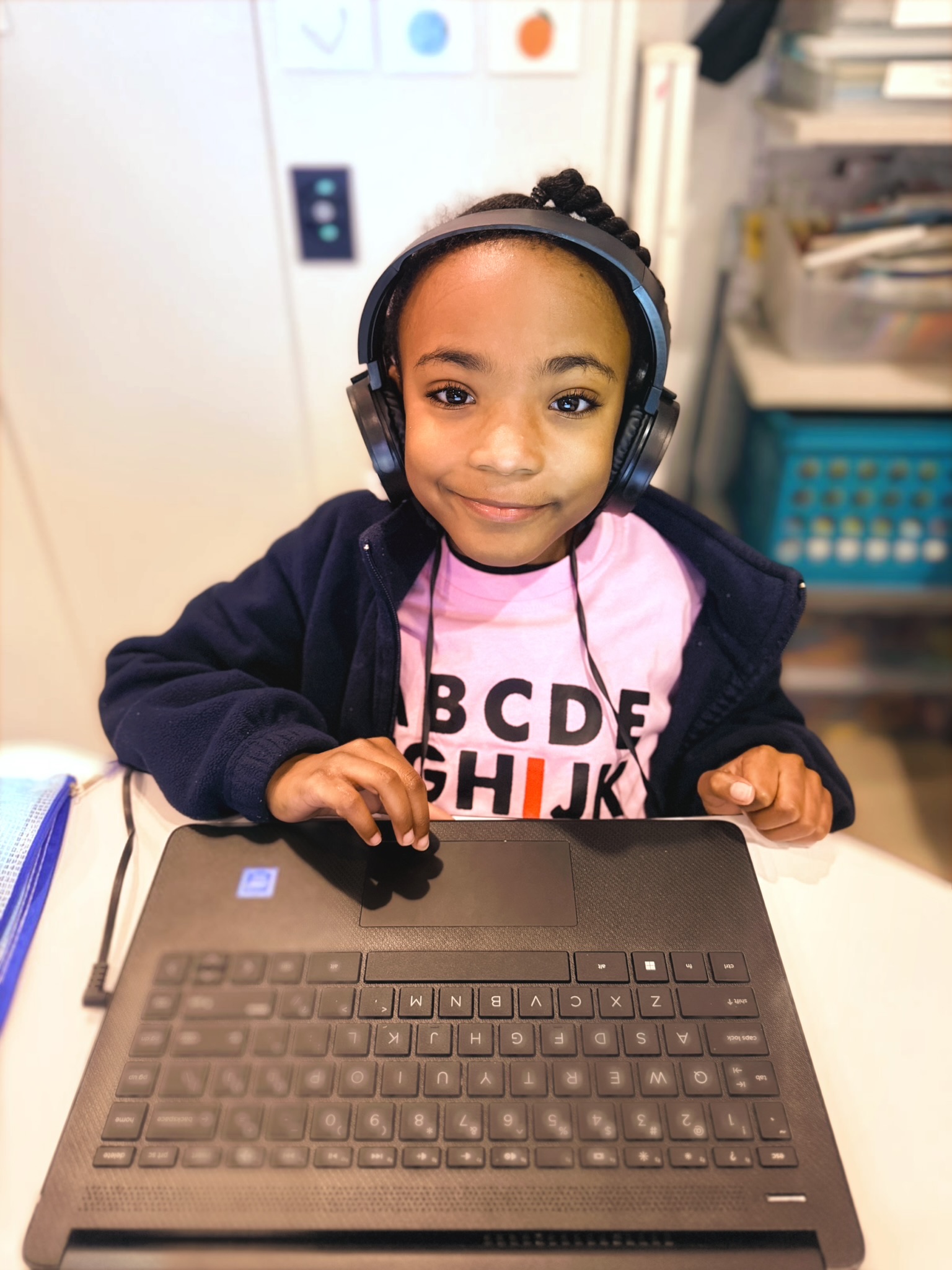
Yes, Monday–Thursday only. Assignments are short and dyslexia-friendly, including reading for 20 minutes, spelling worksheets, math exercises, and often a weekly software task.
Yes, Homework Help is available after school Mon–Thurs from 3:15–4:00 PM for a monthly fee.
Yes! Electives vary yearly and may include Dance, Drama, Gardening, Sign Language, Music, PE, Lego building, and more.
Yes. Students have a morning brain break with a snack, 30 minutes of daily recess (weather permitting), and scheduled PE classes.
Students take regular assessments. Parents receive reading and math growth reports at year-end, report cards each quarter, and you will receive weekly work packets and nightly agenda notes. Plus, you can monitor grades in Schoolworx.
No school can promise this. DePaul provides individualized instruction and regularly measures growth, but student progress is affected by many factors including attendance, health, home environment, behavior, and willingness to participate.
Students transition to public, private, or specialized high schools. We can assist families in exploring options—but start looking the summer before your child’s last year at DePaul, as many students begin their enrollment process a full year or more in advance. Many DePaul alumni go on to earn college or trade degrees.
Yes, Monday–Thursday only. Assignments are short and dyslexia-friendly, including reading for 20 minutes, spelling worksheets, math exercises, and often a weekly software task.
Yes, Homework Help is available after school Mon–Thurs from 3:15–4:00 PM for a monthly fee.
Yes! Electives vary yearly and may include Dance, Drama, Gardening, Sign Language, Music, PE, Lego building, and more.
Yes. Students have a morning brain break with a snack, 30 minutes of daily recess (weather permitting), and scheduled PE classes.
Students take regular assessments. Parents receive reading and math growth reports at year-end, report cards each quarter, and you will receive weekly work packets and nightly agenda notes. Plus, you can monitor grades in Schoolworx.
No school can promise this. DePaul provides individualized instruction and regularly measures growth, but student progress is affected by many factors including attendance, health, home environment, behavior, and willingness to participate.
Students transition to public, private, or specialized high schools. We can assist families in exploring options—but start looking the summer before your child’s last year at DePaul, as many students begin their enrollment process a full year or more in advance. Many DePaul alumni go on to earn college or trade degrees.